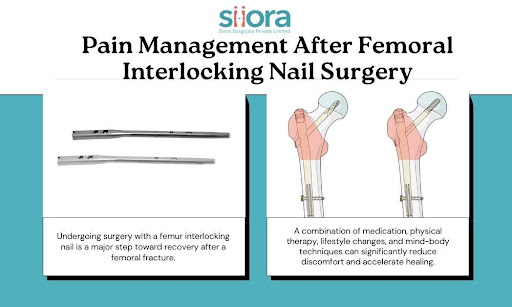
Undergoing surgery with a femur interlocking nail is a major step toward recovery after a femoral fracture. While the surgery itself helps restore bone integrity and mobility, post-operative pain can be a significant challenge. Proper pain management is essential not only for comfort but also for an effective recovery. Here, we explore the best practices for managing pain after femoral interlocking nail surgery to ensure a smoother healing process.
Understanding Post-Surgical Pain
Pain after femoral interlocking nail surgery typically results from surgical trauma, inflammation, and muscle stiffness. It can range from mild discomfort to severe pain, depending on the individual and the extent of the surgery. While pain is a natural part of the healing process, controlling it effectively helps patients regain movement faster and reduces complications.
Tips for Managing Pain After Femoral Interlocking Nail Surgery
Medications for Pain Control
Pain management starts with prescribed medications, which should be taken as directed by the healthcare provider. Common medications include:
- Non-steroidal anti-inflammatory Drugs (NSAIDs): They help reduce inflammation and mild to moderate pain. Examples include ibuprofen and naproxen.
- Acetaminophen (Paracetamol): Often used in combination with other medications, acetaminophen helps in reducing pain while minimizing opioid use.
- Opioids: These are prescribed for severe pain but should be used cautiously due to the risk of dependency. Common opioids include tramadol and oxycodone.
- Local Anesthetics & Nerve Blocks: In some cases, doctors administer nerve blocks or local anesthetics during or after surgery to provide prolonged pain relief.
It is important to follow the prescribed dosage and avoid self-medication to prevent complications such as gastrointestinal issues or dependency on opioids.
Physical Therapy & Gentle Movement
While it may seem counterintuitive, movement plays a key role in pain management. Physical therapy helps improve circulation, reduce stiffness, and promote healing. Some best practices include:
- Gentle Exercises: Simple movements such as ankle pumps and leg lifts help prevent stiffness and blood clots.
- Weight-Bearing Activities: Depending on the doctor’s advice, partial weight-bearing exercises may begin early to restore mobility.
- Guided Physiotherapy: A professional physiotherapist can tailor exercises to individual needs, ensuring safety and effectiveness.
Cold & Heat Therapy
- Cold Therapy: Applying ice packs wrapped in a cloth can reduce swelling and numb pain. Ice therapy should be used for 15-20 minutes several times a day during the first few weeks post-surgery.
- Heat Therapy: Once the initial swelling subsides, heat application using warm compresses or heating pads can help relax muscles and ease stiffness.
Lifestyle Modifications for Pain Reduction
Certain lifestyle adjustments can significantly improve pain management and overall recovery:
- Proper Nutrition: A balanced diet rich in proteins, vitamins, and minerals supports bone healing. Calcium and vitamin D supplements may be recommended for bone strength.
- Hydration: Staying well-hydrated prevents muscle cramps and promotes tissue healing.
- Adequate Rest: Proper sleep and avoiding excessive strain on the operated leg are crucial for recovery.
Mind-Body Techniques for Pain Relief
Pain is not just physical; mental health plays a significant role in how pain is perceived. Mind-body practices can help alleviate discomfort and promote relaxation:
- Deep Breathing Exercises: Controlled breathing helps reduce stress and pain perception.
- Meditation & Mindfulness: Practicing mindfulness helps divert attention from pain and fosters a sense of well-being.
- Distraction Techniques: Engaging in light hobbies like reading, listening to music, or watching a favorite show can help shift focus away from pain.
When to Seek Medical Help?
While pain is expected after surgery, some symptoms indicate complications and require immediate medical attention:
- Excessive Swelling & Redness: This could indicate an infection or deep vein thrombosis (DVT).
- Severe, Uncontrolled Pain: If pain does not improve with medication, it may need medical evaluation.
- Fever or Chills: These symptoms could signal an infection.
- Numbness or Tingling: Persistent numbness or tingling in the leg might indicate nerve damage.
Final Thoughts
Effective pain management after femoral interlocking nail surgery is essential for a smooth recovery. A combination of medication, physical therapy, lifestyle changes, and mind-body techniques can significantly reduce discomfort and accelerate healing. Patients should always follow their doctor’s instructions and seek medical advice if pain becomes unbearable or unusual symptoms arise. With the right approach, recovery can be more comfortable and efficient, allowing a return to daily activities with confidence.
If you want a CE-certified range of orthopedic implants including femoral interlocking nails, connect with Siora Surgicals Pvt. Ltd. The company has a presence in over 50 countries and is also looking for distributors for orthopedic implants in Dubai to extend its global reach.
 siiora surgicals pvt. ltd